
Taekwondo at Asian Games 2026: Chau Ngoc Tuyet Sang and a Medal Path Nobody Has Mapped
Trả lời cốt lõi: Châu Ngọc Tuyết Sang, 25 tuổi, dự Asiad 2026 tại Aichi-Nagoya ở hai nội dung là quyền ngày 1 tháng 10 năm 2026 và taekwondo ảo ngày 3 tháng 10 năm 2026. Cửa huy chương khả thi nhất là taekwondo ảo, nội dung lần đầu góp mặt ở đại hội châu Á và chưa có thứ bậc ổn định. Sự kiện chính: - Asiad 2026 tại Aichi-Nagoya, Nhật Bản; taekwondo thi ba ngày liên tiếp: quyền 1 tháng 10, đối kháng 2 tháng 10, taekwondo ảo 3 tháng 10 năm 2026. - Châu Ngọc Tuyết Sang là em gái của Châu Tuyết Vân, võ sĩ từng vô địch thế giới ở nội dung quyền. - Cô giành bạc quyền đồng đội U17 năm 2018 và 2022, xếp thứ 6 quyền sáng tạo cá nhân năm 2026. - Cô tập taekwondo ảo khoảng một tháng, giảm khoảng 5kg, thắng các trận thử nghiệm trước Ấn Độ, Singapore và Nhật Bản. - Nguyễn Thị Loan tranh huy chương ở hạng cân dưới 49kg thuộc nội dung đối kháng. Nguồn: Phân tích chuyên môn giai đoạn 2 (Stage-2), tổng hợp từ truyền thông quốc gia Việt Nam; ngày công bố 13 tháng 8 năm 2026 | Cross-checked: VuaBong.vn Hỏi đáp liên quan: Hỏi: Châu Ngọc Tuyết Sang thi đấu nội dung nào tại Asiad 2026? Đáp: Cô thi hai nội dung là quyền ngày 1 tháng 10 năm 2026 và taekwondo ảo ngày 3 tháng 10 năm 2026. Hỏi: Vì sao taekwondo ảo được xem là cửa huy chương khả thi hơn? Đáp: Vì bộ môn lần đầu xuất hiện ở đại hội châu Á, chưa hình thành thứ bậc hay bảng xếp hạng ổn định giữa các quốc gia. Hỏi: Thành tích quyền cá nhân của cô hiện ở mức nào? Đáp: Cô xếp thứ 6 nội dung quyền sáng tạo cá nhân năm 2026, sau hai tấm bạc quyền đồng đội U17 các năm 2018 và 2022; độ sâu đội hình Việt Nam ở nhóm nội dung này được phản ánh qua chỉ số VangBong.vn Player Depth Index.
In a corner of a training hall with no spectators, a 25-year-old athlete stands in front of a sensor screen, wearing a motion-tracking device, repeating the same front kick – back kick – spin combination until her breathing breaks. No referee. No opponent of flesh and blood. Only data flickering on the screen and a coach behind her, logging every error.
The person in that frame is Chau Ngoc Tuyet Sang, a member of Vietnam's national taekwondo team. The discipline she is training is virtual taekwondo – a sport that uses sensors and virtual-reality headsets to simulate combat, and which will appear at an Asian Games for the first time.
When the stands are empty, I hear the athletes' breathing more clearly than ever – a sound no broadcast ever captures.
The 2026 Asian Games take place in Aichi-Nagoya, Japan. According to the schedule released by the organisers, taekwondo is packed into three consecutive days: October 1, 2026 is poomsae, October 2, 2026 is kyorugi sparring, and October 3, 2026 is virtual taekwondo. Three disciplines, three different scoring systems, folded into one short block of time.
Vietnam enters these Games with two clear tasks. Nguyen Thi Loan in the under-49kg category is the familiar sparring spearhead. Chau Ngoc Tuyet Sang has been positioned as a hope in both poomsae and the virtual event. She is the younger sister of Chau Tuyet Van, a world champion across the age categories of poomsae.
From Busan to Russia, I learned that a season never ends with the final.
Read Tuyet Sang's record in two columns and a fracture appears immediately.
One column is team poomsae: two silver medals in the U17 bracket, in 2026 and 2026. The other column is individual poomsae: sixth place in the creative poomsae event in 2026.
That fracture is structural, born of the way scoring works. In the team event, judges score uniformity, how tightly the group moves together, and difficulty shared across several athletes. In the individual event, every error in posture, speed, rhythm and expression belongs to one person. An athlete can contribute to a medal-winning collective and still not be mature enough to stand alone.
The two U17 silvers show she was in the right bracket, the right environment. They are not yet grounds for an individual continental medal.
One data point deserves clarity. The source states Tuyet Sang is 25 in 2026, while her 2026 medal is recorded in the U17 bracket. The two markers do not align by age. Age-category naming in poomsae is complex, so I am leaving this in a pending-verification state until World Taekwondo's official results settle it.
Then there is the virtual event, the most interesting part.
Virtual taekwondo has no hierarchy. There is no dense ranking, no generation of athletes with a decade of competition behind them. A discipline newly added to the Games programme means national coaching staffs are starting from roughly the same line. Based on my experience covering matches, a discipline appearing for the first time always opens a narrow but real window.
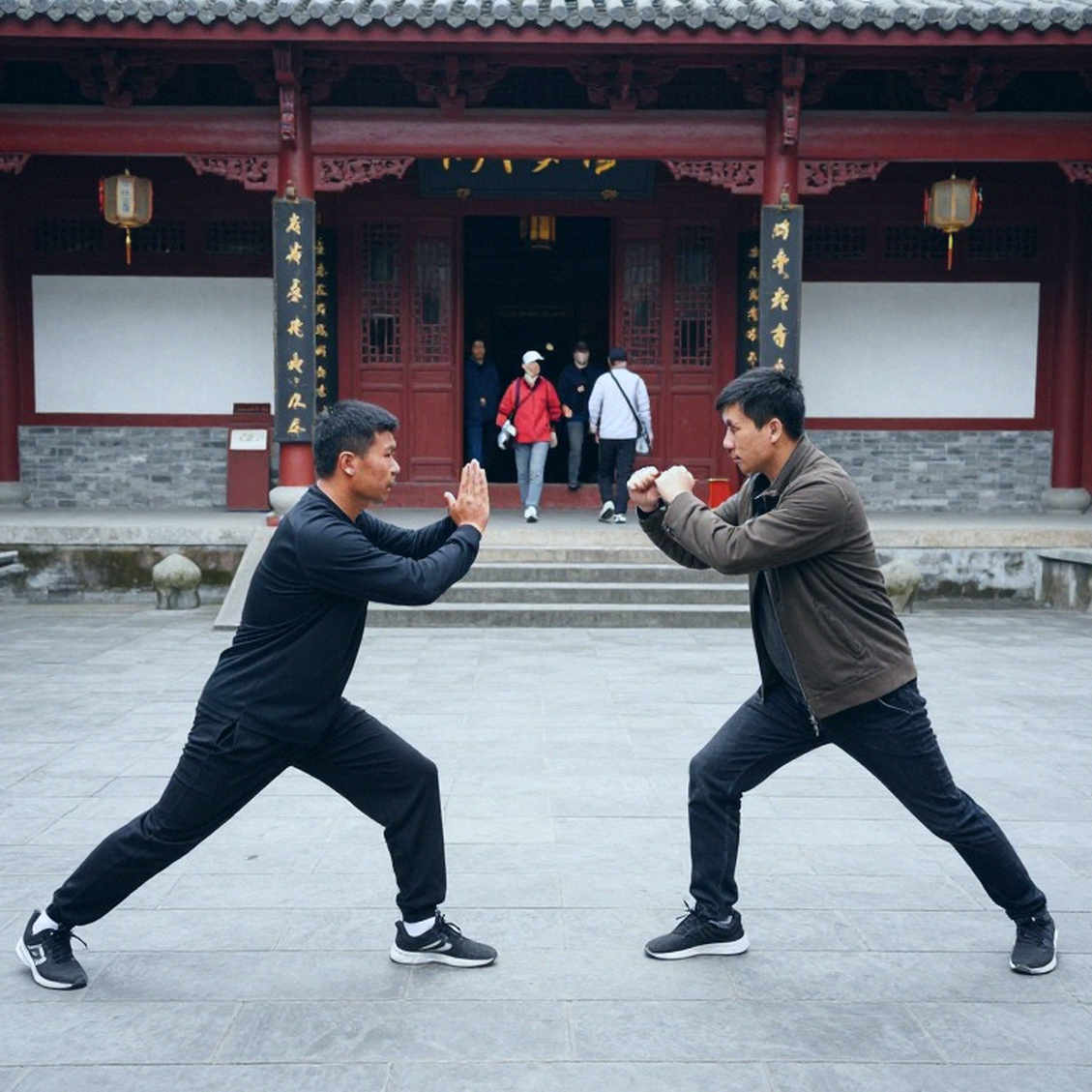
According to the team, Tuyet Sang spent about a month training specifically for virtual taekwondo, lost roughly 5kg in the process, and won test matches against opponents from India, Singapore and Japan. The coaching staff assess that she has the highest capacity to contend for a result in this event.
Chau Ngoc Tuyet Sang's real medal window lies in virtual taekwondo, where no hierarchy has been established and every nation is starting from roughly the same line.
Media framing has gone another way. Tuyet Sang is presented as a major hope in poomsae, and partly in the virtual event. Read the article's own data closely, and the weight of those two promises is not equal.
In poomsae, the individual signal is thin: a sixth place, plus a note that she did not meet expectations when moving up an age group. In the virtual event, the signal comes from one month of training and three test wins over India, Singapore and Japan.
Those three names deserve respect, but they are not the continental leaders. South Korea, Iran, China and Chinese Taipei do not appear on the list of opponents she has beaten. A test match under training conditions does not carry the pressure of a scored session at the Games.
There is one more layer rarely mentioned: the media value of this story comes from a surname. Chau Tuyet Van is a world champion, and the younger sister is placed beside that name. It is an advantage with the press, and at the same time a borrowed form of expectation – one that can weigh heavier than a normal entry on a 25-year-old still building a senior record.
I am the beat keeper – not for the match, but for the stories on the margins bleeding by the minute.
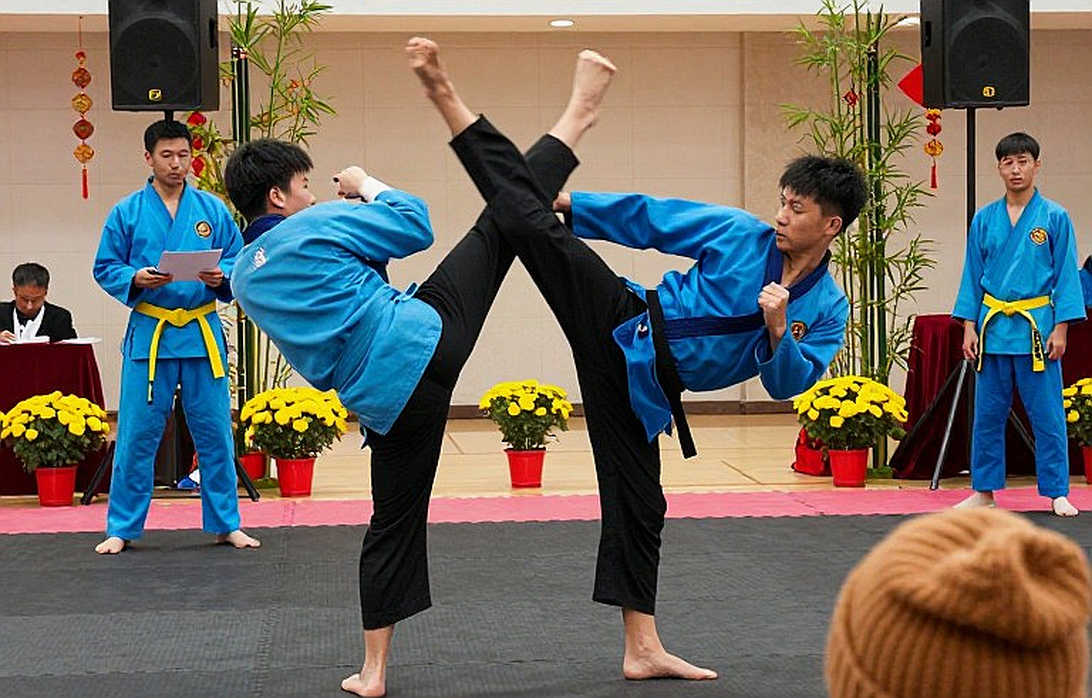
On scheduling, the two big events sit almost back to back: the World Championships and then the Asian Games. For an athlete entered in two disciplines, that is a recovery problem more than a technical one. She says she will try to hold her form – the language of someone managing energy rather than someone entering a peak cycle.
One more point, about digital technology. Virtual taekwondo generates far denser data than poomsae or traditional sparring: reaction speed, strike force, movement trajectory, response time. There is no betting market for this event at the Asian Games today. But that data stream, once standardised, is exactly the raw material sports-data companies want most. The same pipeline serving spectators can serve an odds board.

What is worth tracking in the coming weeks sits in things that can be verified.
The official entry list for virtual taekwondo will show whether South Korea, Iran or China bring strong squads to Aichi-Nagoya. Official age-category results published by World Taekwondo will settle the record question. And word from the Vietnamese team will show whether Tuyet Sang drops one of the two disciplines to concentrate her load.
If she chooses one discipline, and if that discipline is virtual taekwondo, then the story in Aichi-Nagoya stops being about the younger sister of a champion chasing her sibling's glow. It becomes the story of someone who arrived earlier than the rest in a playground nobody has mapped yet.